
When people see a $30,000 Hermes Birkin or a bespoke crocodile leather wallet, the immediate reaction is often one of concern for the species. It is a common misconception that the exotic leather industry is driving crocodiles toward extinction. In reality, the regulated crocodile trade is one of the most successful wildlife conservation models in modern history.
Key Takeaways
Quality Control: High-end leather requires “perfect” skin, which can only be achieved through controlled farming, not wild hunting.
Controlled Growth: Farming increases egg-to-juvenile survival rates by over 50% compared to the wild.
Habitat Preservation: Communities protect wetlands because they provide the economic foundation for the crocodile trade.
Population Rebirth: Government-mandated restocking programs ensure that a portion of farm-raised crocodiles always returns to their natural habitat.
Here is how the industry actually protects these prehistoric predators.
1. The Quality Gap: Why Wild Skins Don’t Sell
The luxury market demands perfection. In the wild, crocodiles are aggressive, territorial apex predators. They fight, hunt, and navigate rough terrain, which results in scarred, bitten, and “damaged” hides. These imperfections make wild skins largely unsuitable for high-end fashion.
To achieve the pristine texture found in species like the Siamese, Alligator, and Porosus, crocodiles must be raised in strictly controlled environments. By farming these animals to specific regulations, the industry removes the commercial incentive to hunt wild populations.
2. Boosting Survival Rates
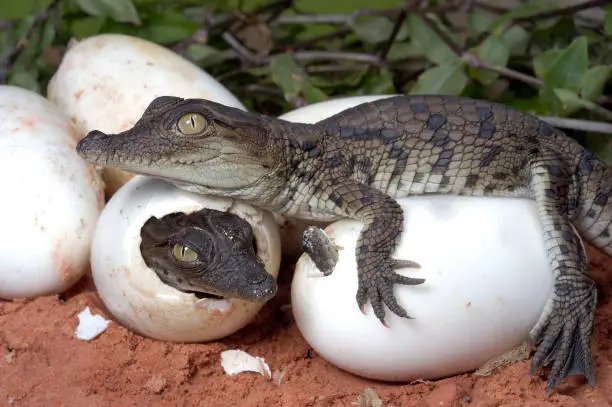
The wild is a dangerous place for a hatchling. In nature, the survival rate for crocodile eggs is estimated to be only 25% to 30% due to predation, flooding, and habitat loss.
In a managed farming environment, that survival rate skyrockets to between 85% and 90%. By protecting the eggs and hatchlings during their most vulnerable life stages, farms create a massive “surplus” of animals that simply wouldn’t exist in the wild.
3. Economic Incentives for Habitat Protection
Conservation only works when the local community benefits from it. In many regions, the crocodile industry is a primary economic pillar. When a wild crocodile is seen as a valuable “natural resource” rather than a dangerous pest, local populations have a direct incentive to:
Protect the wetlands and habitats where crocodiles breed.
Prevent illegal poaching.
Maintain a healthy ecosystem to ensure the long-term viability of the industry.
4. Mandatory Restocking Programs
The “secret sauce” of crocodile conservation is the Restocking Program. In many countries, strict government regulations require commercial farms to release a percentage of their healthy, farm-raised crocodiles back into the wild.
This ensures that the wild population is constantly being “topped up” by the industry. Instead of depleting the wild, the farms act as a biological safety net, ensuring that wild numbers remain stable or even grow.
Summary
The exotic leather industry has shifted the crocodile from a “threatened species” to a “managed resource.” Through high-yield farming, habitat protection fueled by economic value, and mandatory release programs, the luxury market is effectively funding the survival of the species.