
Every year in September, the Saga Furs auction clears out its damaged fur pelt inventory first. That timing isn’t a coincidence, it’s a deliberate auction strategy built around protecting price perception.
3 min read | Fur Pelt | Saga Furs Auction | Market Strategy
Article Summary
Each year in September, the Saga Furs auction clears out the majority of its damaged fur pelt inventory, and that timing is a deliberate strategy rather than a coincidence. The goal is to protect how the earlier, higher-grade fur pelt auctions are perceived.
The first two auctions of the year typically feature the highest-grade fur pelt available, setting the price tone for the rest of the season. Selling damaged fur pelt afterward, once that tone is set, allows it to fetch a better price than it otherwise would.
Early-Year Auctions
Highest-Grade Fur Pelt
- Sets the price tone for the year
- Better fur pelt means higher prices
September Auction
Damaged Fur Pelt Clearout
- Sold after the tone is already set
- Fetches a stronger price by timing
Why September Clears Out Damaged Fur Pelt
Each year, during September, the Saga Furs auction clears out a large share of its damaged fur pelt inventory. This isn’t a random scheduling decision, it’s actually a deliberate fur auction strategy built around timing and price perception.
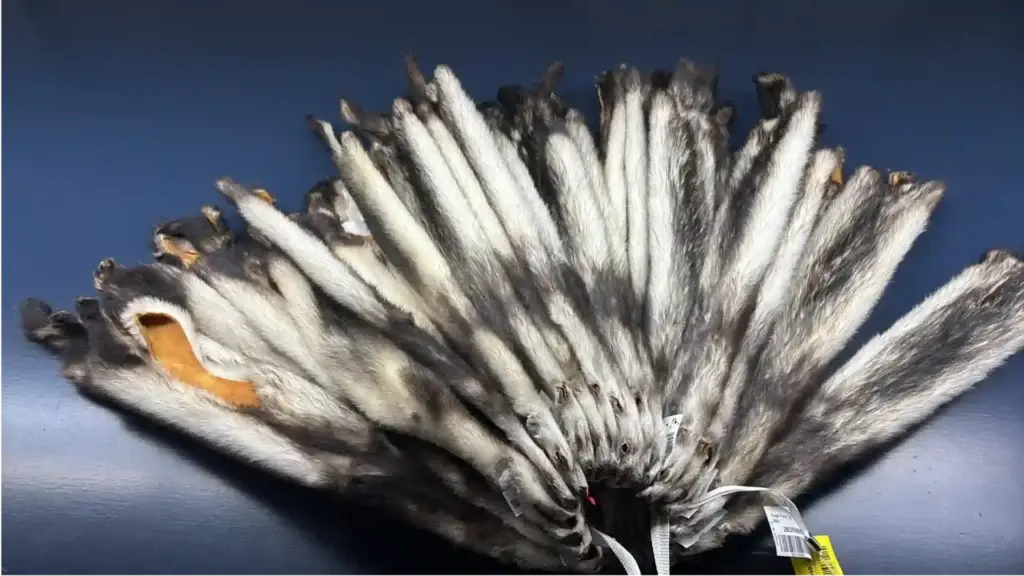
How the First Two Auctions Set the Tone
The reasoning comes down to protecting the first two auctions of the year, which typically consist of the highest-grade fur pelt available. Those early auctions set the price tone that the rest of the year’s fur pelt sales tend to follow.
Naturally, better fur pelt means a higher price, so keeping the damaged fur pelt out of those early auctions helps preserve a stronger overall price tone from the start.
Selling damaged fur pelt after the price tone is already set means it benefits from momentum it wouldn’t have earned on its own merits.
Farmers Are Clearing Fur Pelt to Recoup Profit
As fur farms now move to clear out their own inventory and sell fur pelt to recoup lost profit, this September strategy becomes even more relevant. Farmers benefit from selling into a market where the price tone has already been set favorably.
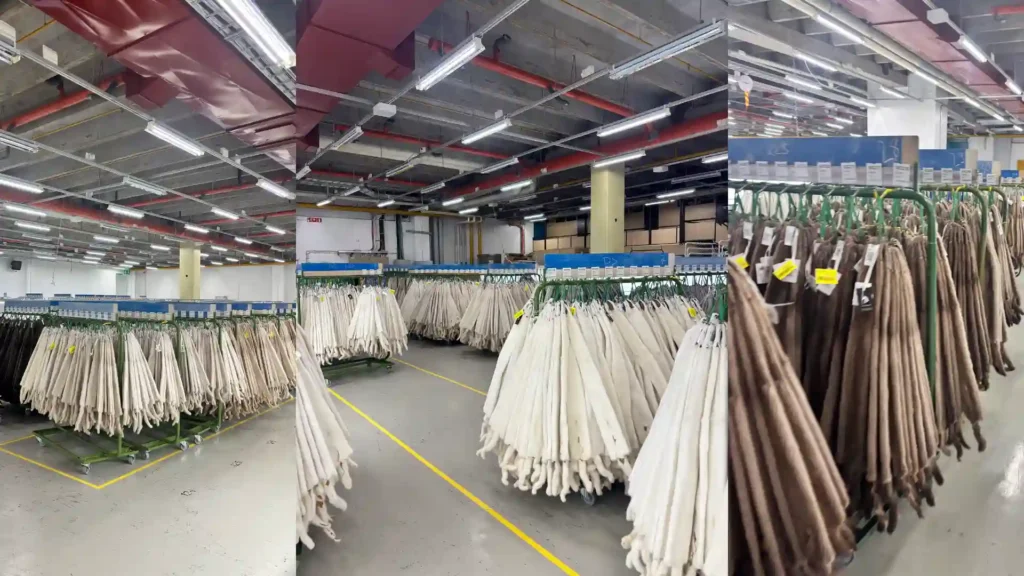
What This Means for Fur Pelt Quality Going Forward
We’re hopeful that the level of damaged and aged fur pelt entering the market will decline significantly as this backlog continues to clear. Within roughly two years, we expect a meaningful improvement in both the quality and quantity of fur pelt available across the board.
Why the September Fur Pelt Clearout Matters
The timing is strategic, not accidental. Damaged fur pelt is sold after the year’s price tone is already established.
Early auctions protect perceived value. High-grade fur pelt sold first keeps overall pricing stronger for everyone.
The result should be a healthier market. Clearing old fur pelt now should improve overall quality within a couple of years.
Looking for consistently high-grade fur pelt for your next collection? J&A International sources fully CITES-certified material with quality you can trust.