
If you’re in the market for your first fur coat but aren’t sure which type to choose, a few key factors, silhouette, durability, and price, will point you toward the right answer.
5 min read | Fur Coat | Buyer's Guide | Price Comparison
Article Summary
Choosing your first fur coat comes down to three factors: the fur type and silhouette you want, how durable that fur coat needs to be for daily life, and where your budget realistically sits. Every fur type behaves differently on all three counts.
Below, we break down mink, sable, chinchilla, raccoon, skunk, fox, and Lynx Cat by style, durability, and average retail price, so your first fur coat is one you’ll actually love wearing for years.
| Fur Type | Tpical Average Price | Category |
|---|---|---|
| Skunk(Accessories) | $50 - $350 | Entry /Accent |
| Raccon | $1,000 - $2,000 | Entry Fur Coat |
| Fox | $2,000 - $5,000 | Mid-Range |
| Mink | $1,500 - $10,000 | Mid-Range |
| Sable | $8,000 - $50,000+ | Luxury |
| Chinchilla | $50,000 - $100,000+ | Luxury |
| Lynx Cat Belly | $100,000 - $200,000 | Ultimate Luxury |
Mink Fur Coat
The All-Rounder
- Short, luxurious silhouette
- Most durable of the group
Sable Fur Coat
The Ultimate Softness
- Cloud-like, flowy fur
- Timeless, instantly recognizable
1. What Type of Fur and Silhouette Do You Want?
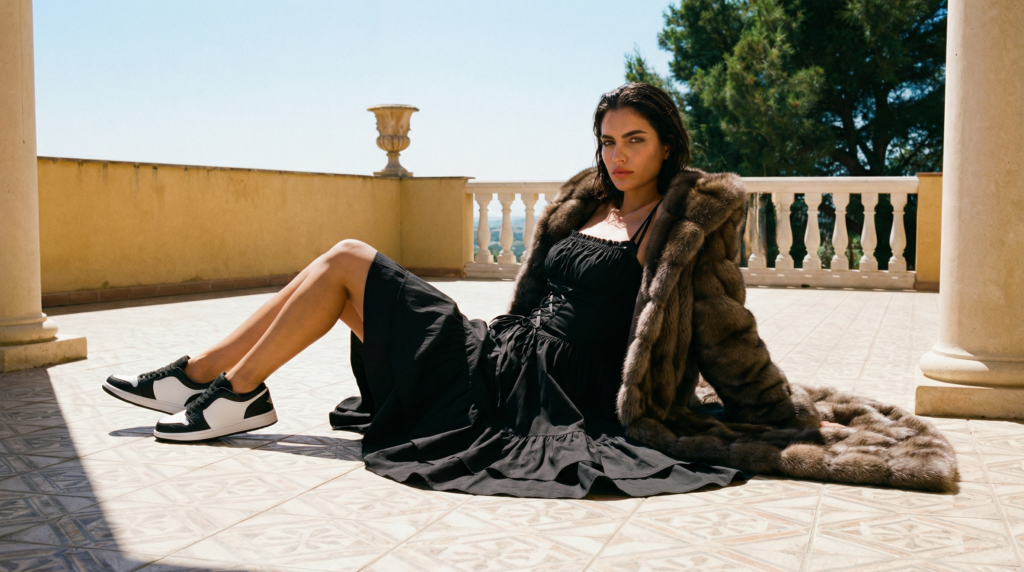
Every fur type carries its own distinct character, so your first fur coat should start with the look you actually want. A short, luxurious silhouette points toward mink, while a soft, flowy, cloud-like fur coat points toward sable.
If a Chinchilla-style fur coat is what draws you in, that specific texture only comes from chinchilla itself. And if you’re chasing the absolute pinnacle of luxury, a Lynx Cat belly fur coat is genuinely impossible to top.
2. Durability: How Much Wear Can Your Fur Coat Take?
Mink is the clear all-rounder here. Both the leather and the fur on a mink fur coat rank among the most durable in the category, and while proper care still matters, mink can genuinely take some everyday wear and tear.
Chinchilla sits at the opposite end. Its laser-thin leather paired with incredibly thick but fragile fur makes a chinchilla fur coat especially prone to leather dryness and tearing, demanding far more careful handling.

3. Price: What Does a Fur Coat Actually Cost?
Every fur type sits at a different price point. On the accessible end, raccoon and skunk pieces typically run from roughly $50 for small skunk accessories up to $2,000 for a genuine raccoon fur coat. Mink and fox occupy the mid-range, generally landing between $1,500 and $10,000 depending on quality and length.
Moving into true luxury, sable and chinchilla fur coats can run from a few thousand dollars into the tens of thousands, with the finest examples reaching well beyond that. And at the absolute top, a Lynx Cat fur coat can climb above $200,000.
Price differences between fur types come down to rarity, pelt size, and how many skins are needed to complete one fur coat, not just perceived prestige.
Our Recommendation: Sable or Mink
If you ask us directly, we’d point most first-time buyers toward either sable or mink. Why settle for mediocre when you can start with the best a fur coat has to offer?
With proper care and use, both a sable fur coat and a mink fur coat can genuinely last a lifetime. Between the timeless design and unforgettable softness, it’s easy to fall in love with either one, and both are instantly recognizable to anyone who sees them.
Why Sable and Mink Make the Smartest First Fur Coat
Mink offers the best balance of style and toughness. A mink fur coat handles daily life better than almost any other fur type.
Sable offers unmatched softness and prestige. A sable fur coat delivers a texture and recognition that’s genuinely hard to match.
The result is a fur coat you’ll actually wear for years. Both options reward proper care with a lifetime of use.