Before Covid-19, the fur farming industry was shaped by two dominant forces: the United States and Denmark. What happened next changed the landscape permanently, and Poland may be the biggest beneficiary.
3 min read | Fur Farming | Industry Outlook | Mink Pelt Supply
Article Summary
Before Covid-19, the fur farming industry was defined by two powerhouses: the United States producing the finest quality mink pelts, and Denmark supplying massive volume at unmatched scale. A single government decision brought Denmark’s dominance to an abrupt end, leaving a gap in the global fur farming supply that has never been fully filled.
That gap, however, may now be closing, and Poland looks like the country most likely to fill it. Former Danish mink farmers, armed with decades of specialized knowledge, have been quietly relocating their operations to Poland. The results could reshape the fur farming industry within the next two years.
Before Covid-19
Dual Dominance
- USA: unmatched quality fur farming
- Denmark: dominant in volume and scale
After Covid-19
Shifting Landscape
- Danish fur farming was effectively eliminated
- Polish fur farming rose with Danish expertise
How Two Countries Once Defined Fur Farming
Before Covid-19, fur farming at the highest level meant two names: the United States and Denmark. American farms were known for producing unquestionably premium mink pelts, while Denmark had built the world’s largest fur farming operation, combining enormous output with consistently reliable quality.
Together, these two countries shaped global supply, pricing, and expectations for what high-grade mink pelt fur farming could deliver.
How Covid-19 Ended Danish Fur Farming Overnight
When Covid-19 arrived, Denmark’s government made the decision to cull the country’s entire mink population, citing concerns that farmed mink had contracted the virus and posed a transmission risk. Danish fur farming, which had taken generations to build, was effectively eliminated in a matter of months.
What remained after that decision was a global fur farming supply chain with a significant hole where Denmark had once stood, and no immediate replacement capable of matching its scale or expertise.
Where Fur Farming Stands Today
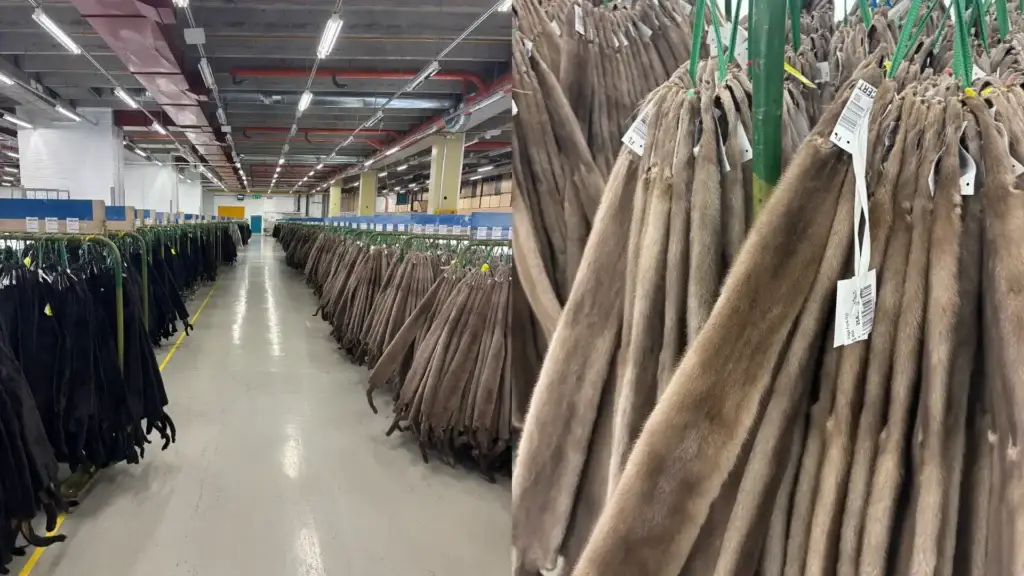
In the years since, American fur farming has remained the benchmark for top-quality mink pelts, and it continues to supply the finest material available in the market today. For buyers not requiring that premium tier, European farms still produce usable mink, though at a level well below what Denmark once delivered.
That gap between the best and the rest has remained a persistent tension in the fur farming market, with no clear European competitor yet stepping into Denmark’s former role.
The exit of Danish fur farming didn’t just remove supply; it removed a benchmark of quality and scale that the rest of Europe had not yet learned to replace.
Why Poland Is the Country to Watch in Fur Farming
That may be about to change. Several former Danish mink farmers have begun relocating their operations to Poland, bringing with them the specialized knowledge and standards that once made Danish fur farming the envy of the industry. These are not new entrants learning the trade, they are experienced operators building on decades of expertise in producing premium mink pelt material.
Poland offers the conditions these farmers need: available land, lower operating costs, and a regulatory environment that still permits fur farming where Denmark’s no longer does. The combination of Danish expertise and Polish infrastructure is one that the fur farming industry hasn’t seen before.
What This Means for Buyers in the Next Two Years
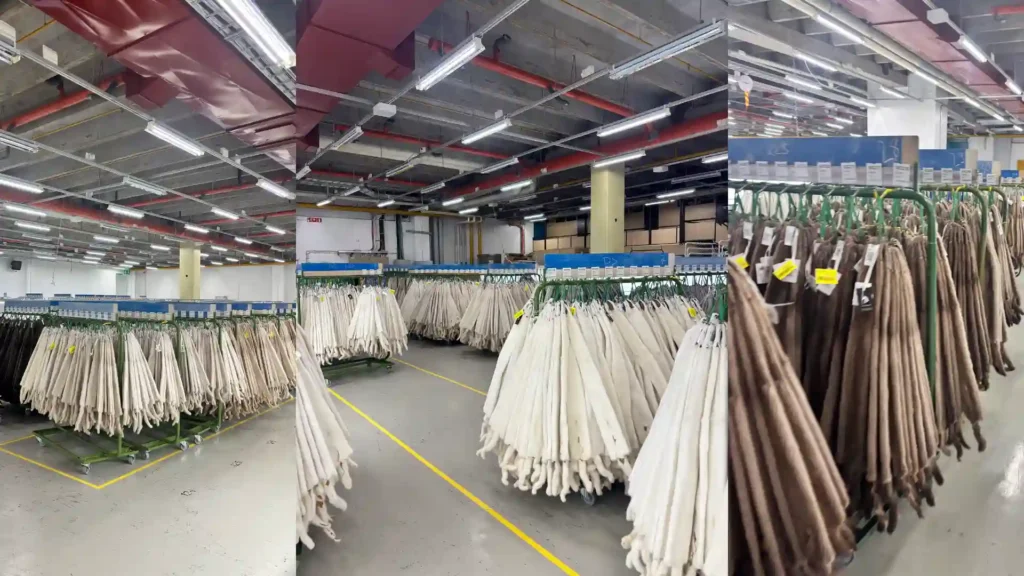
We expect the early results of this Polish fur farming push to become visible within approximately two years. That timeline reflects the natural cycle of building and running a mink farm to production readiness, not speculation about distant trends.
For buyers, more competition at the quality end of fur farming is straightforwardly good news. Greater supply from a credible new source should put meaningful pressure on pricing, potentially making premium mink pelts more accessible without sacrificing the standards that matter.
Why Polish Fur Farming Could Reshape the Industry
Danish expertise is moving, not disappearing. Former Danish farmers are rebuilding their fur farming operations in Poland, bringing the same knowledge that once defined the market’s best.
Poland has the conditions to support growth. Lower costs and available land give Polish fur farming a structural advantage over other potential competitors.
More competition means better outcomes for buyers. A new credible source of high-quality mink pelt supply should put pressure on pricing and raise overall market standards.
Looking for CITES-, Furmark-, SOBOL-, SagaFurs-certified fur sourced directly from trusted, verified farms? J&A International works with the best suppliers across Europe and beyond. Contact us to learn more.