
The fur garment price has roughly doubled, and low supply is only part of the story. A decade of underpricing, a recovering market, and a costly cross-continent supply chain have all combined to push the fur garment price to where it stands today.
3 min read | Fur Garment Price | Market Analysis | Supply Chain
Article Summary
The fur garment price has roughly doubled in recent years, and it would be a mistake to blame supply alone. The more complete picture starts with a decade of genuine underpricing, during which the fur garment price sat well below what the industry needed to sustain itself. That correction has now arrived.
On top of the pricing reversal, a costly and logistically demanding supply chain plays a significant role in where the fur garment price sits today. Raw material moves from Western farms to Asian dressing factories and back to European manufacturing, with high fuel costs compounding each leg of that journey.
What Was Holding the Price Down
The Past Decade
- Fur garment price undervalued for nearly ten years
- Industry absorbing losses at every level
What's Driving the Price Up Now
The Current Reversal
- Recovered demand meeting tighter supply
- Elevated fuel and logistics costs on every leg
The Fur Garment Price Was Undervalued for Almost a Decade
Most people looking at today’s fur garment price see a dramatic rise and assume supply is the primary driver. Supply is part of it, but the more honest answer is that the fur garment price was significantly undervalued for close to ten years. The industry was effectively operating below what it needed to remain sustainable.
The reversal we’re seeing now isn’t a market shock, it’s a long-overdue correction. The fur garment price is finally catching up to where it should have been.
1. A Decade of Underpricing Has Finally Reversed
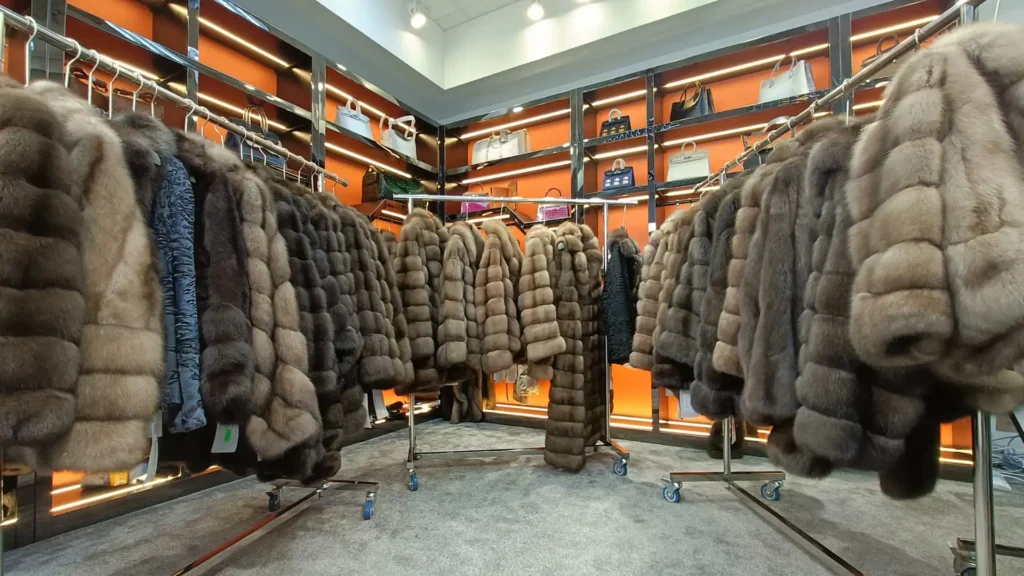
For most of the past decade, the fur garment price across nearly every segment sat below what farmers, processors, and manufacturers needed to cover their actual costs. That gap didn’t disappear, it was absorbed, quietly, at every level of the supply chain. Now that market conditions have shifted, the fur garment price is correcting sharply to make up the difference.
This is the single biggest reason the fur garment price looks so different today compared to just a few years ago. It’s not just supply and demand, it’s a repricing of an entire industry that was operating at a structural loss.
2. The Supply Chain Spans Three Continents
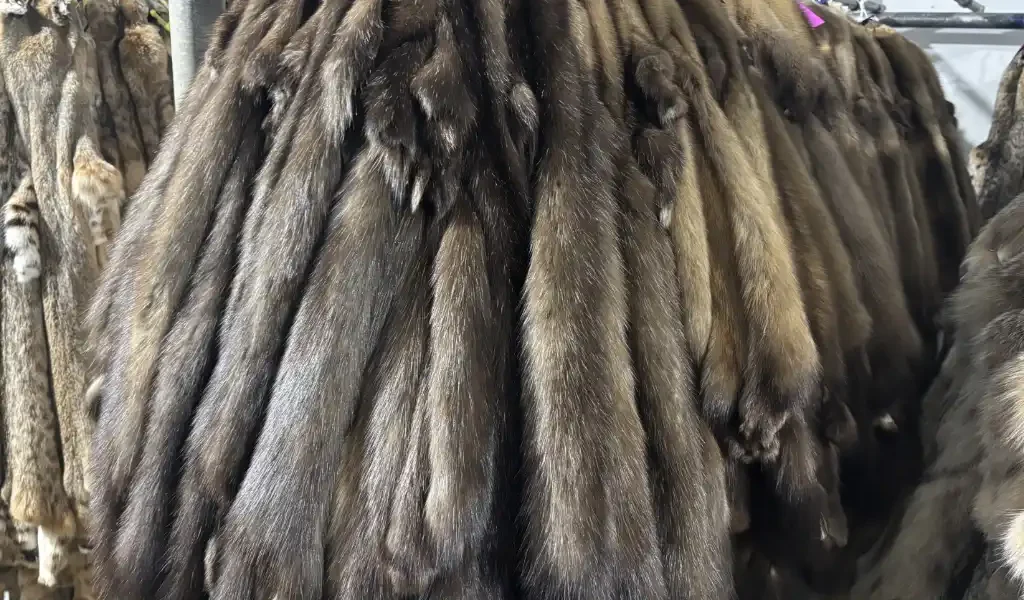
The journey a fur garment takes before it reaches a buyer is longer and more expensive than most people realize. Raw pelts are sourced primarily from farms in Western countries, then shipped to dressing factories concentrated in Southeast Asia, where the skilled technicians capable of processing fur properly are based. From there, the dressed material travels back to manufacturing hubs in Europe, countries like Greece and Germany, to be made into finished garments.
Every one of those legs carries a cost, and that cost feeds directly into the final fur garment price. The reliance on Asian expertise isn’t going away, it’s both cheaper and more reliable than trying to replicate that knowledge base elsewhere. But it does mean that shipping costs are a permanent and significant line item in what makes the fur garment price what it is.
The fur garment price isn’t just the sum of raw material and labour, it reflects a global supply chain that moves pelts across three continents before a single garment is finished.
3. High Fuel Prices Are Making Every Leg More Expensive
The cross-continental supply chain that the fur garment industry depends on has become significantly more expensive as fuel prices have stayed elevated. Each shipment, whether outbound from Western farms, inbound to Asian processors, or return to European manufacturers, costs more than it did even a few years ago. Those costs stack, and they show up in the fur garment price.
There’s no near-term fix on the horizon. Most Western countries maintain strict regulations around the fur industry, and opening new local processing facilities isn’t a realistic option. The supply chain will stay as it is, which means elevated shipping costs will remain a feature of the fur garment price for the foreseeable future.
What This Means for the Fur Garment Price Going Forward
The combination of a structural pricing correction and a permanently expensive supply chain means the fur garment price is unlikely to fall back to where it was. This isn’t volatility, it’s a repriced market settling into a new normal. Buyers who understand that context are better positioned to make sense of what they’re seeing.
We can only hope that fuel costs ease over time and take some pressure off the supply chain. Until then, the elevated fur garment price reflects a more honest accounting of what it actually costs to produce and deliver a quality garment.
Why the Fur Garment Price Is Higher and Staying Higher
The pricing correction was overdue. A decade of undervaluation in the fur garment price has finally reversed, and the gap is closing fast.
The supply chain is expensive by design. Pelts, processors, and manufacturers are spread across three continents, and each leg adds cost to the fur garment price.
Fuel makes every step more expensive. With no structural alternative in place, elevated shipping costs will continue to shape the fur garment price going forward.