If you’ve been drawn to exotic leather goods but hesitated at the price tag, you’re not alone. One look at a Porosus crocodile handbag or an American Alligator wallet from a well-known luxury house is enough to make most people step back. These skins are genuinely exceptional, but their prices reflect that. So where does that leave someone who wants to explore exotic leather without committing to a five-figure purchase?
Key takeaways
- Siamese crocodile is a genuine exotic leather, not a compromise or imitation, available at a significantly lower price than Porosus or Alligator options.
- Its higher farm yield and smaller scale make it ideal for small leather goods: wallets, cardholders, belts, and compact bags.
- The visual difference from premium alternatives is minimal to the untrained eye, you get the look and feel of luxury exotic leather at a fraction of the cost.
- It’s an excellent first purchase for someone curious about exotic leather, low enough risk financially to test your preferences before committing to a premium buy.
- Always verify CITES certification to ensure your purchase is ethically and legally sourced, regardless of which exotic skin you choose.
The good news: there’s a smart, legitimate middle ground, and it goes by the name Siamese crocodile.
What makes Siamese crocodile leather different?
The Siamese crocodile (Crocodylus siamensis) is native to Southeast Asia, with a significant farming presence in Thailand. Compared to its more famous cousins — the Saltwater crocodile (Crocodylus porosus) and the American Alligator — the Siamese crocodile is notably less aggressive, which has a direct impact on skin quality: calmer animals in captivity produce fewer scars and blemishes on their hides.
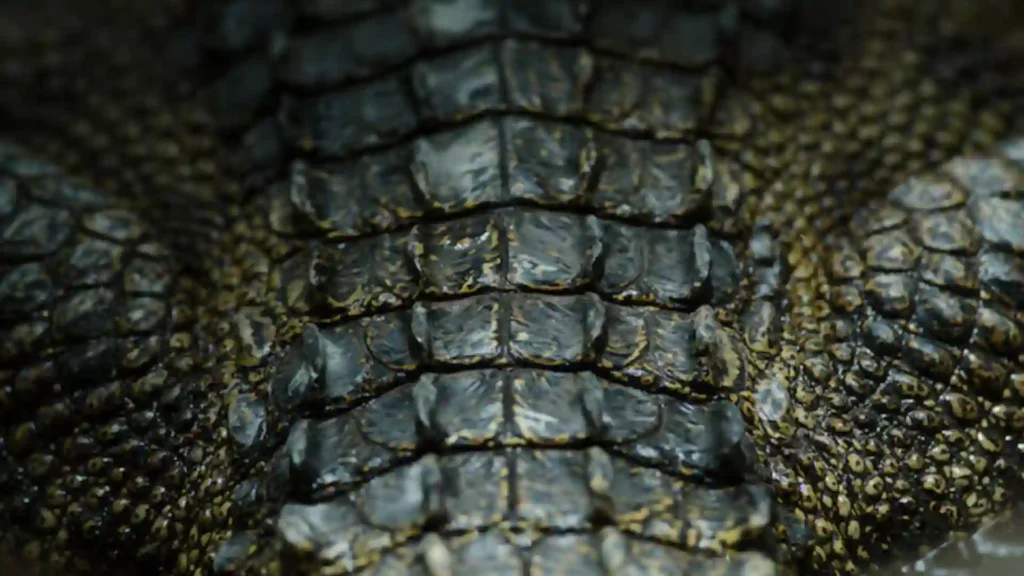
The scales of Siamese crocodile leather are slightly smaller on average, giving finished products a fine, consistent texture. The leather is soft, supple, and finishes beautifully, qualities that matter enormously in bags, wallets, and small leather goods.
Why is it more affordable?
Several factors keep Siamese crocodile leather priced well below Porosus and Alligator options:
Scale of production. Siamese crocodiles adapt well to farm environments and can be raised in shared enclosures, meaning farmers can produce at higher volumes. Porosus crocodiles, by contrast, are highly territorial and must be housed one per enclosure, a significant cost driver that limits supply and inflates price.
Skin size. Siamese crocodiles tend to be smaller than Alligators or Porosus crocs. For large statement pieces like full-size tote bags, this can be a limitation, but for small leather goods, belts, watch straps, and compact bags, it’s a non-issue.
Market perception. Because Porosus and Alligator dominate the luxury marketing conversation, the Siamese crocodile carries less brand prestige, even though the leather itself is genuinely high quality. For buyers who care about the material rather than the label, this pricing gap is an advantage.
Can you tell the difference?
To an untrained eye, a well-crafted Siamese crocodile leather bags are virtually indistinguishable from its more expensive counterparts. The distinctive scale pattern, the slight sheen, the tactile weight, all the hallmarks of genuine exotic leather are present. Even experienced buyers often need to examine scale geometry and belly-pattern details closely to tell species apart.
This makes Siamese crocodile an ideal entry point: you get the real experience of owning and using exotic leather, at a price where you can genuinely assess whether it’s for you, without the anxiety of a major financial commitment.
Buying ethically: always check for CITES certification
Regardless of which exotic leather you purchase, ethical sourcing is non-negotiable. The Convention on International Trade in Endangered Species (CITES) regulates the trade of exotic skins globally. Any legitimate seller should be able to provide a CITES certificate confirming that the skin was legally and ethically sourced from a licensed farm.
When shopping for affordable exotic crocodile leather goods, always ask for this documentation. Reputable sellers will provide it without hesitation. If a seller cannot produce it, walk away.
Summary:
Exotic leather products don’t have to break the bank. While Porosus crocodile and Alligator remain the gold standard of luxury, Siamese crocodile leather offers a compelling middle ground, genuine exotic quality at a far more accessible price point. This guide explains what makes Siamese crocodile a smart first purchase, how it compares to premium alternatives, and what to look for when buying ethically.