
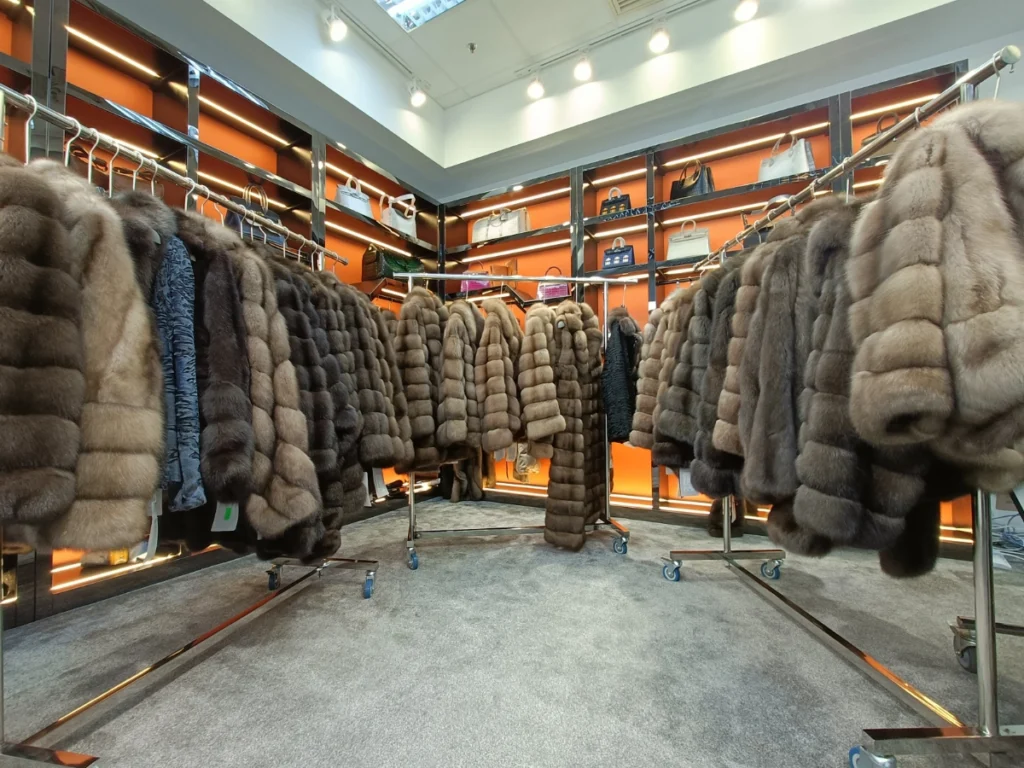
Investing in a sable fur garment isn’t just a purchase; it’s a milestone in luxury. Known as the “King of Furs,” authentic Russian sable is above all classes for its weightless warmth and silky texture. However, because it is one of the rarest, it is also one of the most frequently misrepresented.
If you are prepared to pay thousands for a heirloom-quality piece, you need more than just a salesperson’s word. You need an expert eye.
Here are 7 expert-approved ways to identify authentic Russian sable.
Key Takeaways
If it’s cheap, it’s probably not real sable.
Real sable hair shows natural color variation.
You can stroke sable in any direction — it stays silky.
Silver-tipped hairs increase value and authenticity.
Sunlight reveals a subtle blue-silver glow.
Genuine sable feels light, not heavy.
Look for recognized certification such as SOBOL.
1. The Price Tag Principle: Luxury Has a Floor
The first rule of thumb is simple: Sable is never a “steal.” If you find a full-length coat labeled “Sable” priced between $1,000 and $3,000 USD, proceed with extreme caution. Genuine, high-grade Russian sable commands a premium due to limited trapping quotas and labor-intensive sorting.
Common Substitutes to Watch For:
Sheared Mink: Often dyed to mimic sable’s color but lacks the loft.
Marten: A cousin to the sable that is lovely, but coarser and less valuable.
Faux Fur: Synthetic fibers that lack the organic “breathing” properties of real pelt.
2. The Color Gradient: Look for the "Ombré" Effect
Authentic sable fur is never a flat, solid color. Mother Nature is a master of depth. When you inspect the strands, you should see a natural multi-tone gradient:
The Base: Usually a slightly lighter, downy underwool.
The Tips: Darker, richer guard hairs that provide the “crowned” look.
The Transition: Subtle tonal shifts that give the coat a 3D richness synthetic dyes can’t perfectly replicate.
3. The "Stroke Test": Defying Gravity
This is the most famous physical test for sable. Most furs, such as mink or rabbit, have a “grain”—if you pet them against the natural lay of the hair, they feel prickly or resistant.
The Sable Difference: You can stroke genuine sable in any direction, and it remains buttery soft. It doesn’t “fight” your hand. If the fur feels stiff or loses its silkiness when brushed backward, it is likely a different species or a synthetic blend.
4. The Silver Lining: Hunting for Guard Hairs
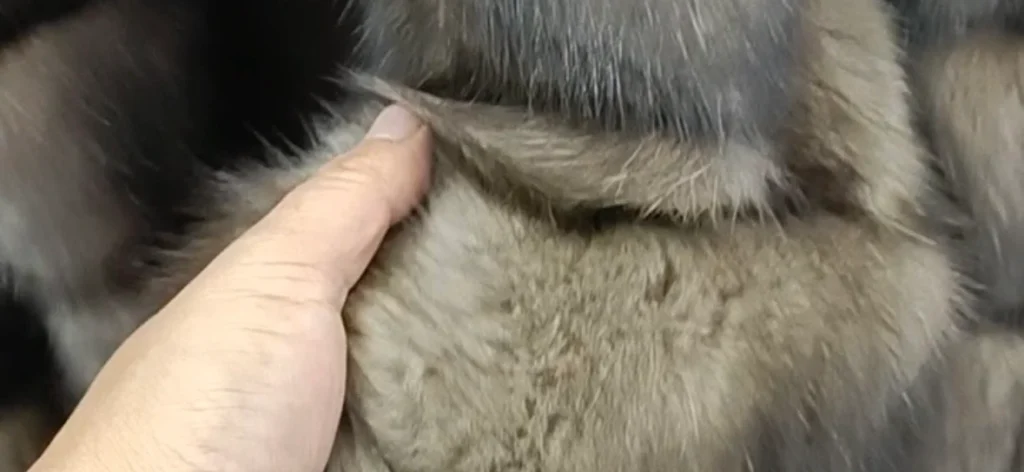
The “Holy Grail” of this industry is the Barguzin Russian Sable. What makes it so special? The silver.
High-grade skins feature tiny, silvery guard hairs scattered throughout the dark fur. These hairs:
Add a shimmering dimension to the coat.
Signify a premium grading (the more “silver,” the higher the price).
Are incredibly difficult to fake with synthetic silvering, which often looks “painted on.”
5. The Sunlight "Glow" Test
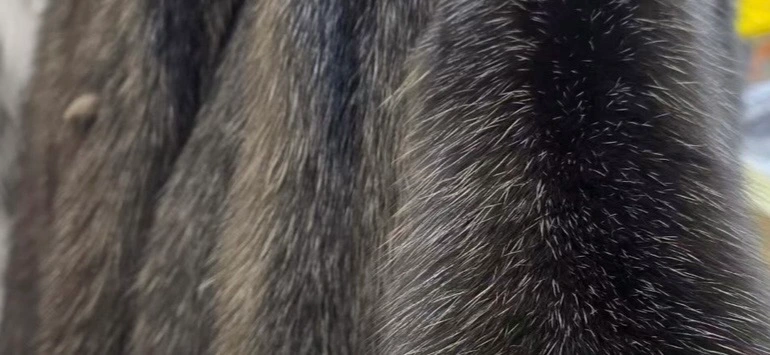
Before you buy, take the garment to a window. Under natural sunlight, authentic sable doesn’t just shine—it glows with a blue-silver undertone.
While lower-grade furs or synthetics often look “flat” or oily under bright light, sable reflects a luminous, cool-toned shimmer that enhances its visual volume. If the fur looks dull or yellowish in the sun, it’s a red flag.
6. The Weight Test: The "Cloud" Factor
One of the most surprising things about putting on a real sable coat is how extraordinarily light it feels.
Despite its massive visual volume, sable is significantly lighter than:
Mink: Which can feel heavy and “waxy” over time.
Wolf or Fox: Which have much heavier, thicker hides.
If the coat feels bulky, heavy on your shoulders, or “stiff,” you are likely looking at a different animal or a lower-quality pelt.
7. Look for the "SOBOL" Seal
In the world of fur, SOBOL is the gold standard of provenance. Most authentic Russian sable skins are sold through the Sojuzpushnina auction house in St. Petersburg.
A SOBOL label or certificate:
Confirms the Russian origin.
Ensures the fur has met strict grading classifications.
Provides a paper trail for your investment.
Expert Tip: While a label can be moved from one coat to another, its absence on a “new” luxury coat should prompt deeper questions about the garment’s origin
Summary
Authentic sable fur stands apart because of its rarity, natural multi-tonal beauty, unmatched silkiness, silvery guard hairs, luminous sunlight reflection, and lightweight comfort. These characteristics work together to create the unmistakable elegance that has defined sable for centuries.
When purchasing sable, take your time. Examine the texture. Observe it in natural light. Compare the weight. Ask questions about origin and grading. Most importantly, buy from reputable sellers who understand the value of transparency.
In the world of luxury, knowledge is protection — and when it comes to sable, informed buyers invest with confidence.