
Three factors determine the quality, and the price, of any mink fur pelt. Technology is beginning to address two of them in meaningful ways, and the mink fur industry is watching closely to see how far it can go.
4 min read | Mink Fur Industry | Technology | Quality Grading
Article Summary
Every mink fur pelt is graded on three qualities: the length and evenness of the guard hair, the thickness and softness of the under wool, and the condition of the pelt itself. Together, these three factors determine where a pelt sits in the market and what a finished mink fur garment will cost.
Technology is not yet able to replicate what nature and expert farming produce at the very top of the market. But it is making real progress on the lower and mid tiers, progress that could bring a genuine mink fur experience within reach of a much wider audience.
Hair Length
Trimming tech is improving
- Shorter and more even is better.
Under Wool
Chemical treatment shows promise
- Thickness and softness matter most.
Pelt Condition
No clear solution yet
- Damage remains the hardest problem.
Three Factors Define the Mink Fur Industry's Grading System
Understanding where the mink fur industry is headed requires understanding how it grades quality today. Every pelt that enters the market is assessed on three criteria: the length and uniformity of the guard hair, the density and softness of the under wool, and the overall condition of the pelt. A top-lot mink fur garment earns that designation by scoring well on all three. A lower-grade piece typically falls short on at least one of them.
Each factor is currently determined by a combination of genetics, farming practice, and the natural limits of what mink produce. Technology is beginning to change some of those limits, and the implications for the mink fur industry are significant.
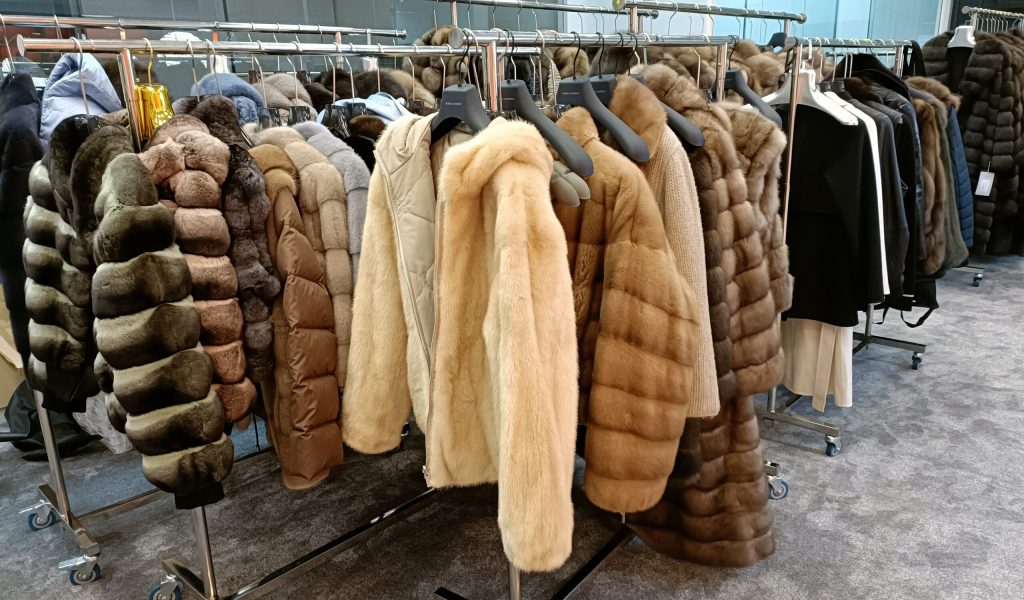
1. Hair Length: The Case for Shorter, More Even Guard Hair
In ProgressHair trimming technology is approaching viable quality standards
Unlike sable, mink cannot naturally grow long guard hair without it becoming uneven, and uneven hair is a mark against a pelt’s quality. The mink fur industry has long understood that shorter, more uniform guard hair is the ideal: it allows the tips of each strand to catch the light and gives a finished mink fur garment that characteristic shimmer in sunlight that experienced buyers immediately recognize.
Until recently, achieving that level of uniformity was purely a matter of how naturally the animal grew. Now, precision hair trimming techniques are advancing to the point where processed pelts are approaching a standard that was previously only achievable through selective breeding and farming. The gap between trimmed and naturally short-haired pelts is still detectable to an expert, but it is narrowing. If that gap closes over the next few years, trimming technology could meaningfully expand the supply of high-grade-presenting mink fur at every level of the market.
The ideal in the mink fur industry has always been a pelt where the guard hair is short enough for the tips to show and catch the light. Technology is now making that achievable in pelts that couldn’t reach that standard naturally.
2. Under Wool: Where Chemistry Is Changing the Mink Fur Industry
In ProgressChemical treatment showing real results for mid-grade under wool softness
The under wool of a mink fur pelt is what gives the garment its warmth and its softness to the touch. A thick, dense under wool is the hallmark of a top-lot pelt, and it has historically been almost entirely in the hands of the farmer. The way mink are raised, fed, and kept through the seasons has a direct effect on how their under wool develops, and the best farming operations have refined this over generations.
What’s changing is that chemical treatment technology is beginning to artificially improve under wool texture in ways that weren’t previously possible. This won’t allow a standard pelt to replicate what a top-lot mink fur garment feels like. The ceiling set by the best farming remains where it is. But for someone who simply wants a soft, warm, genuine mink fur piece without paying top-lot prices, these treatments can make a meaningful difference. The gap between what they experience and what a premium garment offers may narrow enough that a far larger group of buyers feel genuinely satisfied.
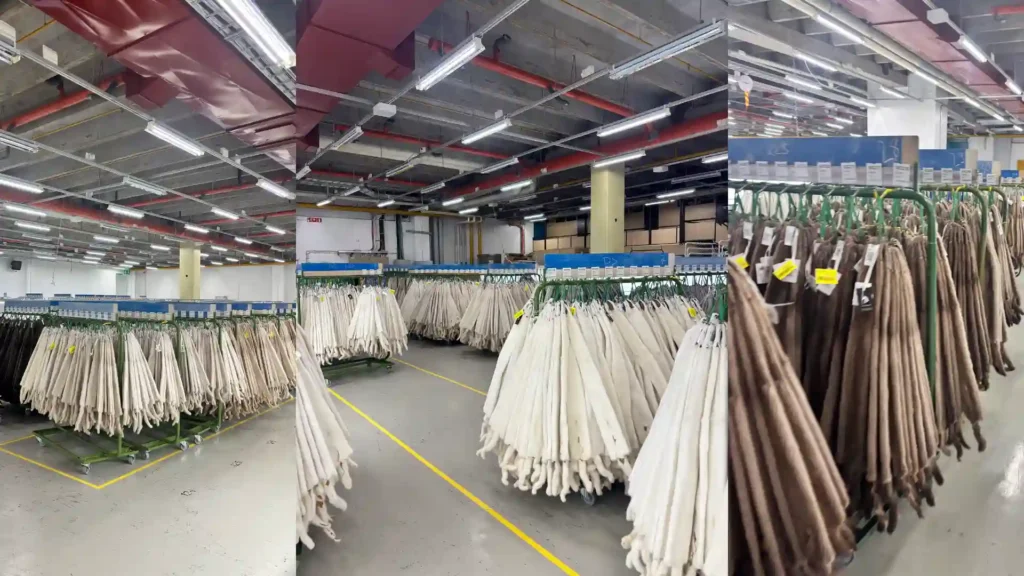
3. Pelt Condition: The Mink Fur Industry's Unsolved Problem
UnsolvedPelt damage remains the primary pricing variable with no reliable fix
Pelt condition, meaning the presence or absence of damage, bald patches, and inconsistencies across the skin, is the hardest of the three factors to address, and the most consequential for pricing. A damaged pelt cannot be graded highly regardless of how good the hair or the under wool is, and until now there has been no reliable technological fix for this problem.
This remains an open challenge for the mink fur industry. The difficulty is that damage occurs at multiple points in the supply chain: in the farming environment, through the harvesting and dressing process, and during storage and transport. Solving it at one point doesn’t address what happens elsewhere. For now, pelt condition continues to be the most significant and least controllable variable in determining the final price of a mink fur garment.
What This Means for the Mink Fur Industry's Future
The most important effect of these technological advances isn’t what they do for the top of the market. The top lot will always be defined by what nature and expert farming produce, and no current technology changes that. The significance is at the other end: technology is making it possible for buyers who cannot justify a premium mink fur garment to still have a genuine and satisfying experience with the product.
We believe this is how the mink fur industry grows. A buyer who enters through a well-treated, mid-grade piece, one that looks and feels considerably better than it would have a decade ago, is a buyer who understands what real mink fur is. That is how an industry builds its next generation of customers, and it is why these technological developments matter well beyond the factories where they are being developed.
Technology's Role in the Mink Fur Industry
Hair trimming is approaching a real standard. The gap between naturally short guard hair and trimmed pelts is narrowing, and when it closes, the mink fur industry gains a meaningful new tier of quality supply.
Under wool chemistry is opening the mid-market. Chemical treatment won’t match top-lot farming, but it can make a standard mink fur garment soft enough to satisfy a buyer who was previously priced out entirely.
Pelt damage remains unsolved. Until technology addresses condition consistently across the supply chain, it will remain the dominant variable in mink fur pricing.
Curious about what separates a standard mink fur garment from a top-lot piece? J&A International sources directly from CITES and Furmark certified suppliers and is happy to walk you through what you’re looking at. Explore our collection or get in touch.