
Almost every fur type in today’s market is climbing in price, from mink and sable to uncommon pelts like skunk. Raccoon fur is the clear exception, and the reason comes down to simple supply and demand.
3 min read | Raccoon Fur | Market Trends | Pricing
Article Summary
In today’s fur market, almost every type of pelt is climbing in price, from common material like mink and sable to less typical options such as skunk. Raccoon fur stands out as the clear exception, and the simple answer behind that gap is supply and demand.
Before 2015, raccoon fur typically sold in the range of 60 to 70 USD. Today, that same raccoon fur trades for closer to 3 to 5 USD, a collapse that has never meaningfully recovered.
Rest of the Fur Market
Prices Climbing
- Mink, sable, even skunk rising
- Demand strong across the board
Raccoon Fur
Still Stuck
- From $60–70 pre-2015 to $3–5 now
- Demand hasn’t followed the trend
Everyone's Rising Except Raccoon Fur
In the fur market right now, almost every type of pelt is going up in price. This includes typical materials like mink and sable, but it also extends to less common pelts such as skunk. Raccoon fur is the obvious outlier in this otherwise strong market.
The question worth asking is why raccoon fur prices simply aren’t moving anywhere while the rest of the market climbs. The simple answer is supply and demand.
A Collapse That Never Recovered
Before 2015, raccoon fur typically ranged from about 60 to 70 USD per pelt. Today, that same raccoon fur trades for roughly 3 to 5 USD instead, a collapse that has simply never bounced back over the past decade.
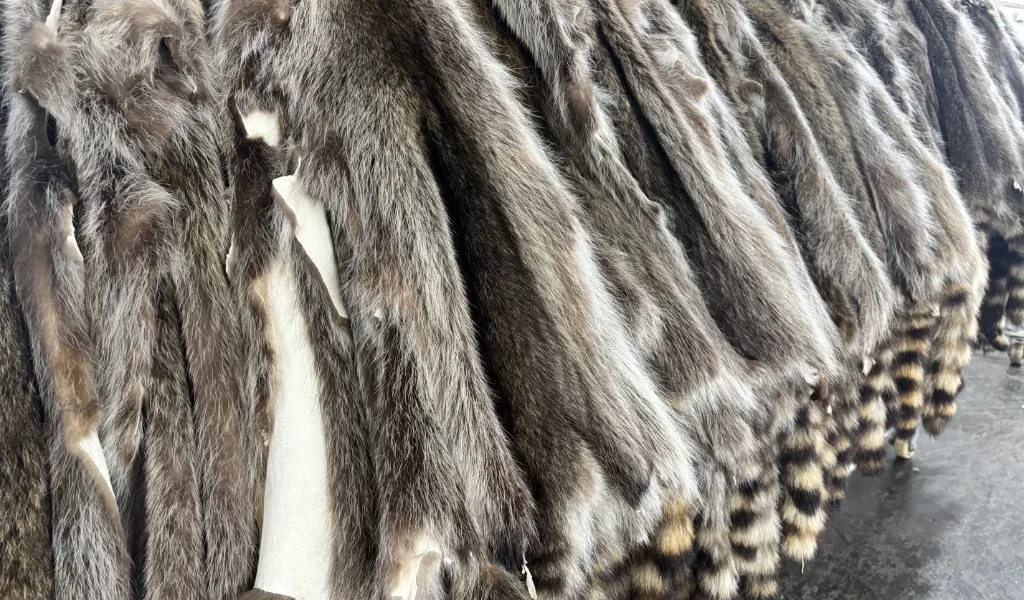
Why Buyers Moved Away from Raccoon Fur
Raccoon fur was mainly used to craft a thin trim strip along the hood of a garment, creating a bold, unforgettable look. That boldness has fallen out of favor as buyers increasingly gravitate toward elegance instead of statement-making design.
Because raccoon fur also tends to be long and flowy, it doesn’t fit neatly into the more refined aesthetic buyers are chasing right now, which has left raccoon fur without a clear place in current fashion.
Raccoon fur didn’t lose a supply war, it lost a taste war, and taste has proven far harder to reverse than a simple shortage would be.
Could Raccoon Fur Ever Come Back?
Possibly, but almost certainly not as a mainstream material again. Many sellers have already tried creative coloring and specialized fur dressing techniques to make raccoon fur appealing again, without the results they were hoping for.
Still, never say never. With raccoon fur pricing remaining low while nearly every other fur type climbs, some crafters may start looking at raccoon fur again purely for cost savings, potentially sparking genuine innovation in how it’s used.
Why Raccoon Fur Remains the Exception
The gap is about taste, not scarcity. Raccoon fur supply isn’t the issue, shifting buyer preference is.
The collapse has been remarkably persistent. Raccoon fur prices haven’t meaningfully recovered in a decade.
The result leaves room for a niche comeback. Cost-driven innovation could still find new life for raccoon fur.
Curious about current fur pricing across the board? J&A International tracks the market closely and sources fully CITES-certified material for every collection.