
For years, farmers held onto aging fur pelt stock waiting for prices to recover. Now that prices have finally turned, that same fur pelt inventory is flooding back into the market, and it’s coming with real quality problems.
3 min read | Fur Pelt | Market Analysis | Supply Trends
Article Summary
Over the past decade, fur pelt prices across nearly every market sat below the actual cost of raising the animal, which pushed most farmers to hold their fur pelt inventory back rather than sell at a loss. The hope was simple: wait for prices to recover, then sell at a real profit.
Since September of last year, fur pelt prices have finally started climbing across the board, and farmers are now clearing out that backlog. The problem is that much of this fur pelt inventory is five to eight years old, and age is taking a real toll on quality.
Aged Fur Pelt
5–8 Years Old
- Difficult or impossible to dress well
- Rising refund rate on bad skins
Fresh Fur Pelt
Newly Harvested
- Consistent, dressable quality
- Premium gap widening vs. old stock
Why Farmers Were Holding Back Fur Pelt for So Long
During the past decade, fur pelt prices across nearly every market stayed below what it actually cost to raise the animal. That gap pushed the majority of farmers to store their fur pelt inventory instead of selling at an obvious loss, holding out for a future where prices would finally climb.
The plan was straightforward: wait long enough, sell that stored fur pelt at a real profit once the market turned back in their favor.
The Turn Finally Came Last September
Since September of last year, fur pelt prices have finally started rising across the board, which means it’s now time for farmers to clear out the inventory they’ve been sitting on for years. That long-awaited price recovery triggered exactly the sell-off farmers had been waiting for.
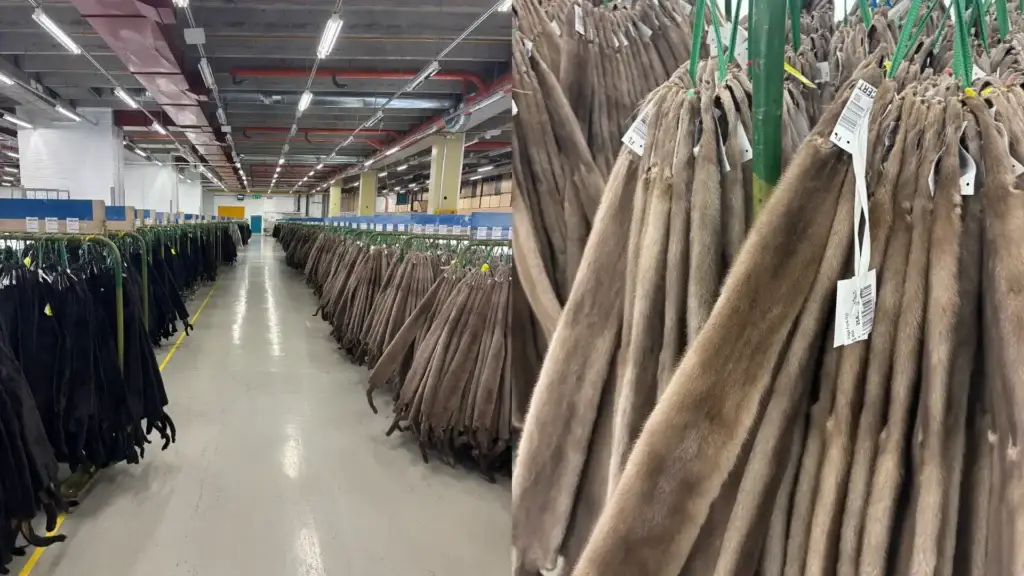
The Problem: Most of This Fur Pelt Is Too Old
Here’s the catch: much of this fur pelt inventory is now five to eight years old, and pelts that old are genuinely difficult, sometimes nearly impossible, to dress properly. Age has simply caught up with a large share of what’s now hitting the market.
As a result, we’re seeing a rising number of fur pelt shipments that are too degraded to use and need to be refunded outright, a trend that’s becoming increasingly common as this inventory clears out.
A fur pelt doesn’t just sit in storage unchanged, it slowly loses the quality that makes proper dressing possible, and years of waiting eventually shows.
The Growing Gap Between New and Old Fur Pelt
Because of this quality decline, we’re now seeing a meaningful widening in the premium gap between fresh fur pelt and older stock. Buyers are increasingly willing to pay more for confidently dressable, recently harvested fur pelt over aged inventory of uncertain quality.
What Happens Once the Flush Ends
Eventually, this flush of old fur pelt inventory will run its course, and the market should settle into something more stable. Until then, expect price volatility to continue through this year, and possibly into next year as well.
What the Fur Pelt Flush Means for Buyers
The sell-off is a supply correction, not new demand. Years of stored fur pelt inventory are simply reaching the market at once.
Age is undermining quality at scale. Five-to-eight-year-old fur pelt is driving rising refund rates industry-wide.
The result is a widening quality premium. Fresh fur pelt is pulling further ahead of aged stock in price and reliability.
Sourcing reliable fur pelt for your next collection? J&A International works directly with trusted suppliers to secure fully CITES-certified, quality-checked material.