The idea that buying fur or exotic leather drives animals toward extinction is one of the most persistent myths in fashion. The reality, built on farming, regulation, and responsible use, tells a very different story.
Key takeaways
- Farming drives most production: the majority of exotic leather and fur comes from licensed farms that have no impact on wild animal populations.
- Crocodile farming has helped wild populations recover: responsible farming actively contributes to ecosystem health, not the reverse.
- Regulated hunting serves ecological balance: where wild sourcing occurs, government quotas prevent overpopulation and protect broader biodiversity.
- The whole animal is used: meat, hide, and by-products all enter productive use, reflecting a genuinely responsible approach to the animals the industry relies on.
- CITES and national regulation make the difference: legal exotic leather and fur is one of the most regulated luxury supply chains in the world.
1. Most Exotic Animals Are Farm-Raised, Not Wild-Hunted
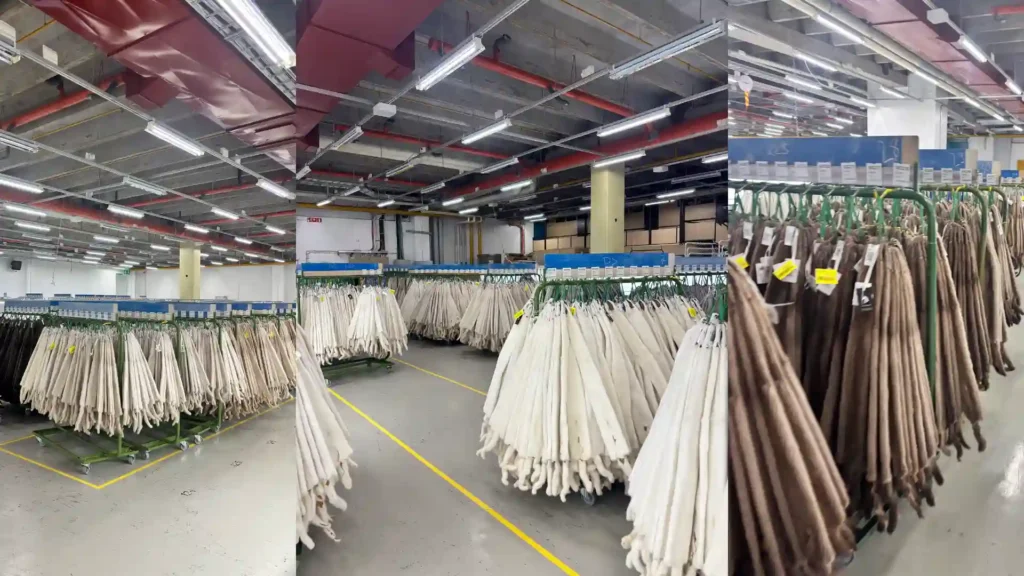
The vast majority of animals used in exotic leather and fur production, mink, crocodile, fox, and others, are raised on licensed farms, completely separate from wild populations. Farming means supply is controlled, wild numbers are untouched, and many farms are legally required to release a portion of their animals back into local habitats. In the case of crocodiles, farm breeding programs have actively contributed to population recovery in regions where wild numbers had previously declined.
Farm-raised crocodile populations have helped increase wild crocodile numbers in several regions, making exotic leather farming one of the rare industries that gives back to the ecosystems it draws from.
2. Where Wild Hunting Occurs, It Is Tightly Regulated
For species that cannot be farmed, such as the lynx cat, wild hunting does occur, but under strict government quota systems that monitor population levels closely. Regulated hunting in this context serves a secondary ecological function: preventing overpopulation of apex predators, which left unchecked can drive other species into decline. The exotic leather and fur industry does not operate in a regulatory vacuum, CITES and national wildlife authorities ensure that every legally sourced hide comes from a managed, monitored system.
3. Nothing Is Wasted, The Whole Animal Is Used
Responsible exotic leather and fur producers use every part of the animal, not just the hide. Meat from farm-raised animals enters the food supply chain, commonly used in high-protein pet food and animal feed products. This whole-animal approach reflects the same ethic that good farming has always required: if you are going to use an animal, use it completely and respectfully. It is the opposite of waste, and it is standard practice among the best operators in the exotic leather and fur industry.
Summary
The exotic leather and fur industry is one of the most misunderstood in luxury fashion. Far from driving species toward extinction, responsible farming, strict government regulation, and whole-animal use make the exotic leather and fur trade one of the more carefully managed resource industries in the world. Here’s what the reality actually looks like.
Every piece at J&A comes with full CITES documentation and traceable sourcing. If you have questions about where our exotic leather and fur comes from, our team in Hong Kong is happy to walk you through it.