
A single lynx cat coat can start at $80,000. Understanding why requires understanding a fur so rare, so labour-intensive, and so legally constrained that nothing else in luxury fashion compares.
Key takeaways
- Lynx cat is the most expensive fur in the world: a finished lynx cat coat starts at $80,000, with no ceiling on rarity pieces.
- Farming is impossible: every pelt in a lynx cat coat is wild-sourced, making supply permanently and naturally limited.
- Only the belly counts: the prized white and black-spotted section covers only a few square centimetres per animal, with the majority of each pelt unsuitable for a true belly coat.
- One coat, hundreds of animals: the sheer number of pelts required to complete a single lynx cat coat is what makes it categorically different from any other fur garment.
- Always verify CITES documentation: legitimate lynx cat coats are legally sourced and certified; no documentation means no guarantee of authenticity or legality.
$1,000+
Per pelt, minimum
100+
Pelts for one belly coat
$80,000+
Starting price for a lynx cat coat
1. Lynx Cannot Be Farmed, Every Pelt Is Wild
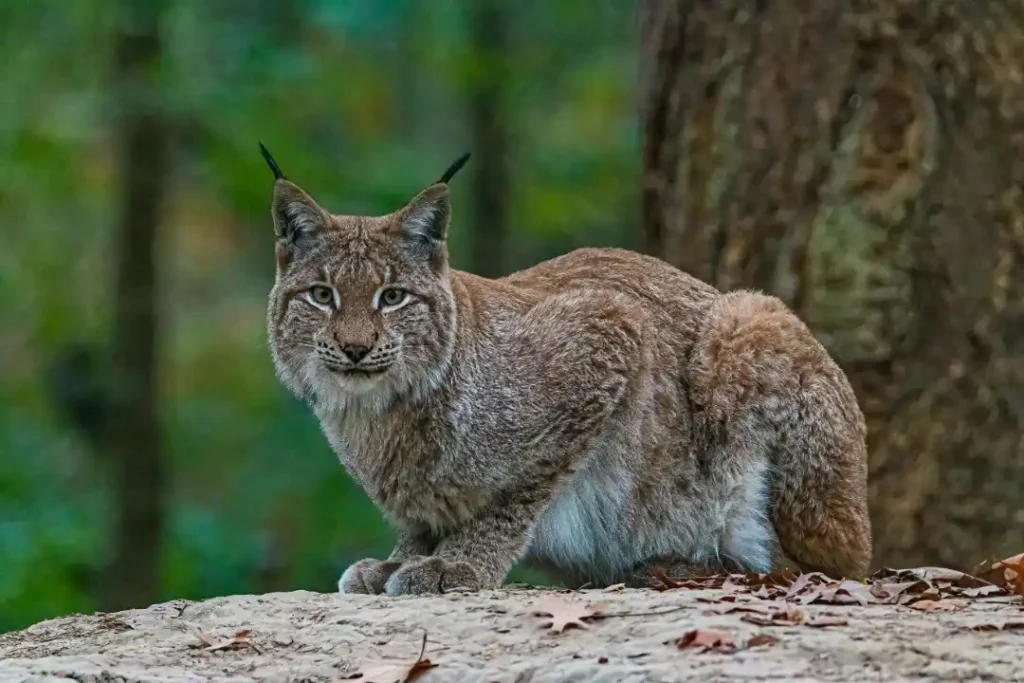
Unlike mink, fox, or sable, lynx cat cannot be raised in captivity at any commercial scale. Every pelt used in a lynx cat coat comes from a wild-hunted animal, legally harvested under strict quotas in North America, where the Canadian lynx and bobcat populations are managed and monitored by wildlife authorities. There is no farm, no controlled supply chain, and no way to increase production to meet demand. Supply is permanently constrained by nature itself.
2. The Prized Belly Section Is Tiny, and Mostly Yellow
The signature look of the lynx cat coat, the white base with distinctive black spots, comes exclusively from the belly of the animal. The rest of the lynx pelt is predominantly yellow-brown, making it far less desirable for the iconic belly garment. The white belly section itself can measure just a few square centimetres on each pelt, meaning only a small portion of every animal can be used in a true lynx cat belly coat. The rest is discarded or used for secondary pieces.
3. One Coat Can Require Dozens, Sometimes Hundreds, of Pelts
Because each usable belly section is so small, crafting a full lynx cat coat from belly pieces alone requires assembling an extraordinary number of individual pelts, sometimes tens, sometimes well over a hundred, depending on the garment’s length and design. Each pelt costs over $1,000 before a single stitch is made. The raw material cost alone for a full lynx cat coat can easily exceed the final price of most other luxury garments entirely. Add skilled furrier labour, the precise matching and joining of hundreds of individual sections, and the starting price of $80,000 becomes entirely logical.
Summary
The lynx cat coat sits at the very top of the fur luxury pyramid, above mink, above sable, above fox. The reasons are both biological and logistical: lynx cannot be farmed, the most prized part of the pelt covers only a few square centimetres per animal, and a single finished lynx cat coat made entirely from the white belly section can require dozens to hundreds of individual pelts. Add legally regulated wild sourcing and you have a garment that is genuinely irreplaceable at any price.