
Chinchilla garment was once one of the most sought-after furs in the world, pursued so heavily that the animal was nearly hunted to extinction. Today, strict regulation keeps it alive, but also keeps it genuinely rare.
3 min read | Chinchilla Garment | Rarity | Fur History
Article Summary
In the past, chinchilla garment was one of the most sought-after fur products in the market, with most pelts coming out of South America. Rising demand led to increasingly aggressive hunting, and at one point, hunters had driven the animal to the brink of extinction, wiping out roughly 90% of the wild population.
Chinchilla was eventually added to the list of protected animals, permanently banning wild hunting. Today, chinchilla exists entirely through farming, supplying both the pet trade and the fur industry, though tightening regulation keeps overall chinchilla garment production genuinely limited.
Historical Chinchilla
Wild-Hunted
- Sourced from South America
- Nearly driven to extinction
Modern Chinchilla
100% Farmed
- Wild hunting permanently banned
- Only thousands of pelts produced yearly
Chinchilla Garment's Near Brush With Extinction
In the past, chinchilla garment was among the most sought-after fur products in the market, with the vast majority of pelts sourced from South America. As demand climbed, so did the intensity of hunting, and at one point, roughly 90% of the wild chinchilla population had already been wiped out.
That level of devastation eventually forced a change. Chinchilla was added to the list of protected animals, and wild hunting was permanently banned going forward.
From Wild Hunting to 100% Farming
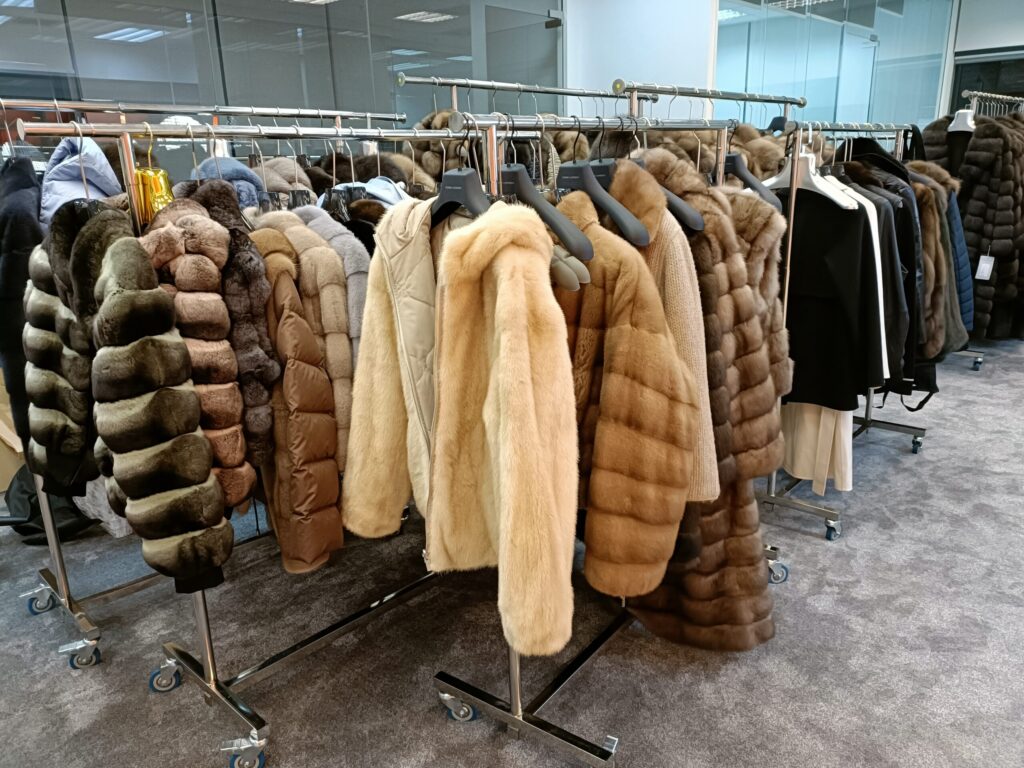
Today, every chinchilla used in both the pet trade and the chinchilla garment industry comes entirely from farming, with no wild hunting involved whatsoever. Even so, ongoing regulatory pressure continues to push many chinchilla farms toward closure, keeping overall production genuinely limited to only thousands of pelts each year.
Why Chinchilla Garment Requires So Much Material
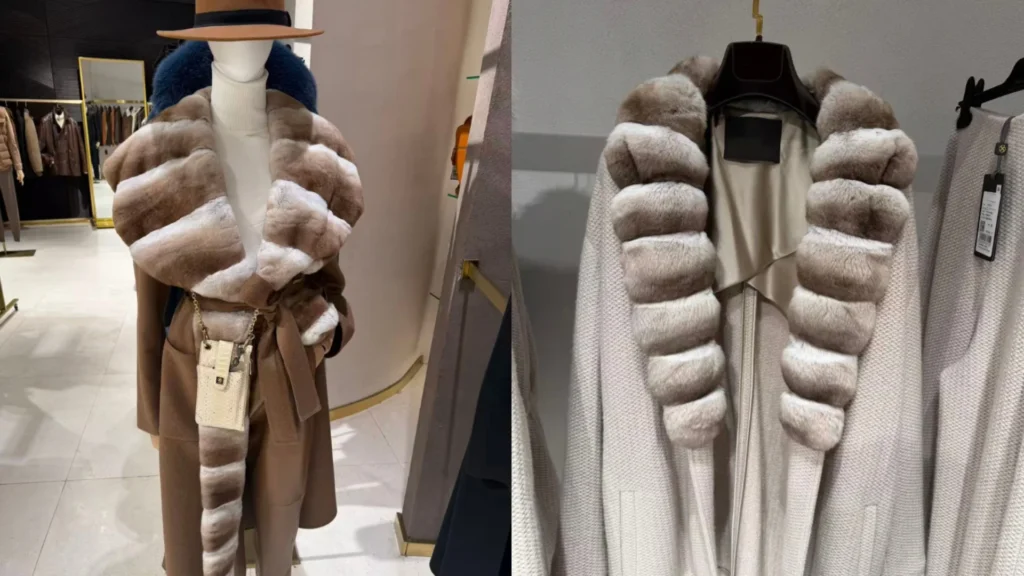
Because each chinchilla is quite small, producing a single chinchilla garment requires a large number of pelts, which makes the finished product genuinely rare. On top of that scarcity, chinchilla’s delicate hair and sensitive leather make it a difficult, demanding material to dress properly.
Scarcity and difficulty reinforce each other with chinchilla garment, limited supply meets a material that already takes exceptional skill to work with.
Renewed Excitement From Chinchilla Farming
Despite these challenges, we’re seeing genuine excitement building within chinchilla farming, with an uptick in both demand and price. It seems unlikely that chinchilla garment will ever disappear entirely, but it will almost certainly remain one of the rarest fur products available.
Why Chinchilla Garment Stays So Exclusive
Its history nearly ended the material entirely. Near-extinction forced chinchilla garment production to depend fully on regulated farming.
Scale and skill both limit supply. Small pelts and difficult dressing keep chinchilla garment production genuinely rare.
The result is lasting exclusivity. Rising demand won’t likely change how rare chinchilla garment remains.
Interested in a genuinely rare chinchilla garment? J&A International’s collection is fully CITES certified, reflecting our commitment to ethical, regulated sourcing.