As the prices of classic fur types double and triple, a new category of alternative fur is quietly taking shape. Otter, beaver, and skunk fur are giving buyers a genuine entry point into real fur fashion, and the industry is welcoming it.
3 min read | Alternative Fur | Market Trends | Fur Industry
Article Summary
Until recently, the fur market was built around five pillars: mink, sable, chinchilla, lynx cat, and fox. These remain the powerhouses of the industry, and nothing about that is changing. What is changing is that a clear second tier, a genuine alternative fur category, has begun to establish itself alongside them.
The driver is price. When the cost of a premium fur garment doubles or triples in a short span of time, buyers naturally start looking at what else is available. Crafters and sellers have responded by giving serious attention to otter, beaver, and skunk fur, which can deliver a distinctive fur aesthetic at a more accessible price point.
Classic Fur Types
The Established Powerhouses
- Mink, sable, chinchilla, lynx cat, fox
- Unmatched softness and luxury, but prices have sharply risen
- Remain the primary focus of the industry
Alternative Fur Types
The Emerging Category
- Otter, beaver, skunk, with visually distinctive patterns
- More accessible price point for buyers entering the market
- Particularly suited to accessories and accent pieces
A Market That Was Built on Five Fur Types
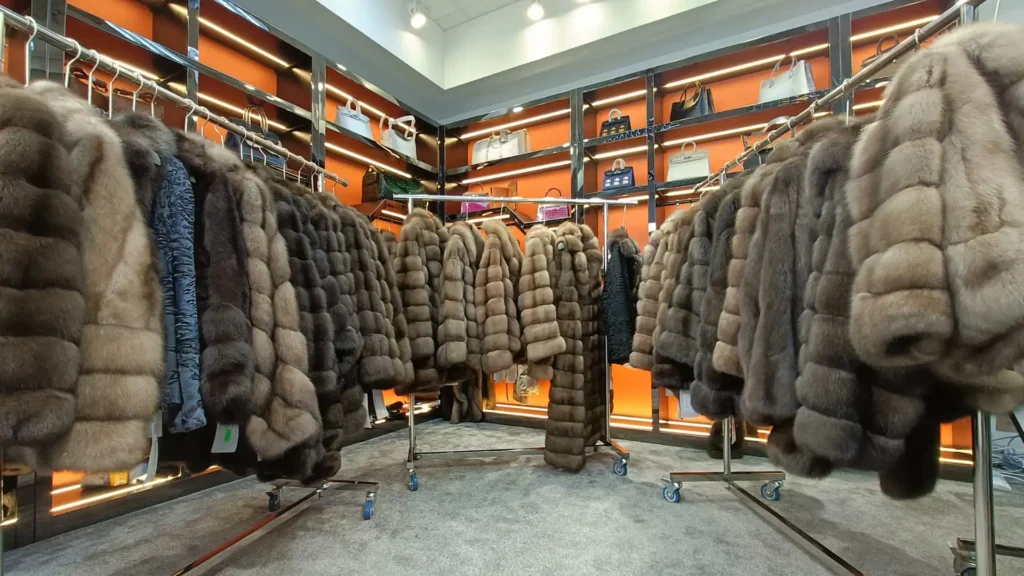
For most of the past decade, the fur market revolved around five fur types that defined what a luxury fur garment meant: mink, sable, chinchilla, lynx cat, and fox. Each occupies a clear position in the market, and together they have shaped buyer expectations, crafter standards, and the language of fur fashion. That isn’t going away. These five types will remain the core of what the industry does.
What has shifted is the space around them. As prices have climbed sharply over the past two years, a visible gap opened up between what buyers expected to pay and what the market was now asking. That gap created an opening for alternative fur to step into.
1. Rapid Price Rises Sent a Shockwave Through the Industry
When the cost of premium fur types doubled or even tripled within a single year, the reaction across the industry was immediate and real. For buyers, the number was no longer approachable. For sellers and crafters, it created a new kind of anxiety: would demand hold, or would buyers simply walk away?
That fear was the catalyst that made many in the industry take a harder look at alternative fur. If the classic types were becoming aspirational purchases only, there needed to be something that could bring new buyers in, and keep existing ones engaged at a different price level.
A price move that doubled or tripled in under a year isn’t just a market adjustment, it changes who the customer is. The rise of alternative fur is, in part, the industry’s answer to that question.
2. Otter, Beaver, and Skunk Fur Are Building a New Category
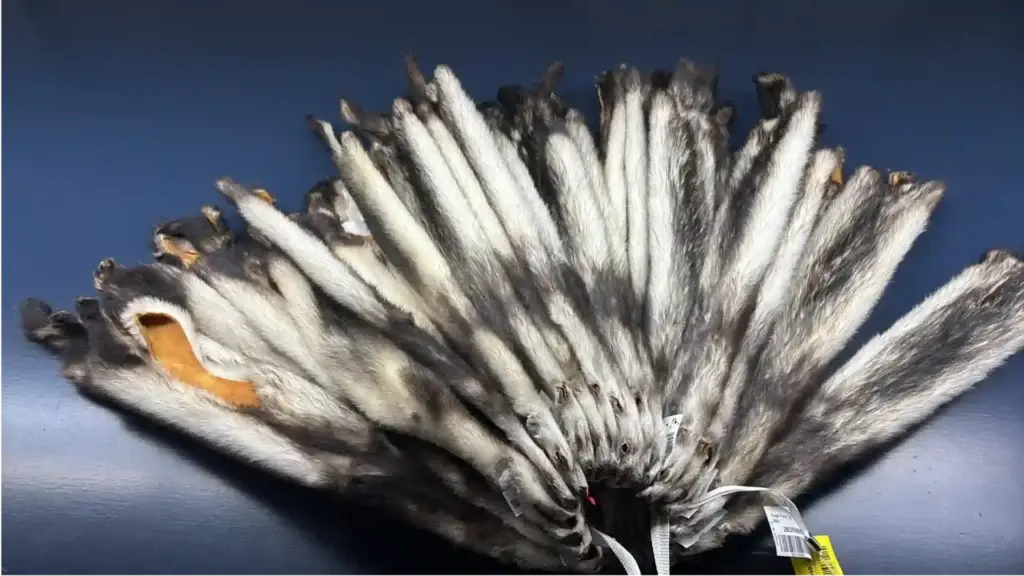
The alternative fur types gaining the most attention are otter, beaver, and skunk. These pelts don’t replicate the softness and prestige of mink or sable, and no serious crafter would claim otherwise. But they offer something different: a strong and distinctive fur pattern that reads clearly as fur, and does so at a price point that opens the door to a much wider range of buyers.
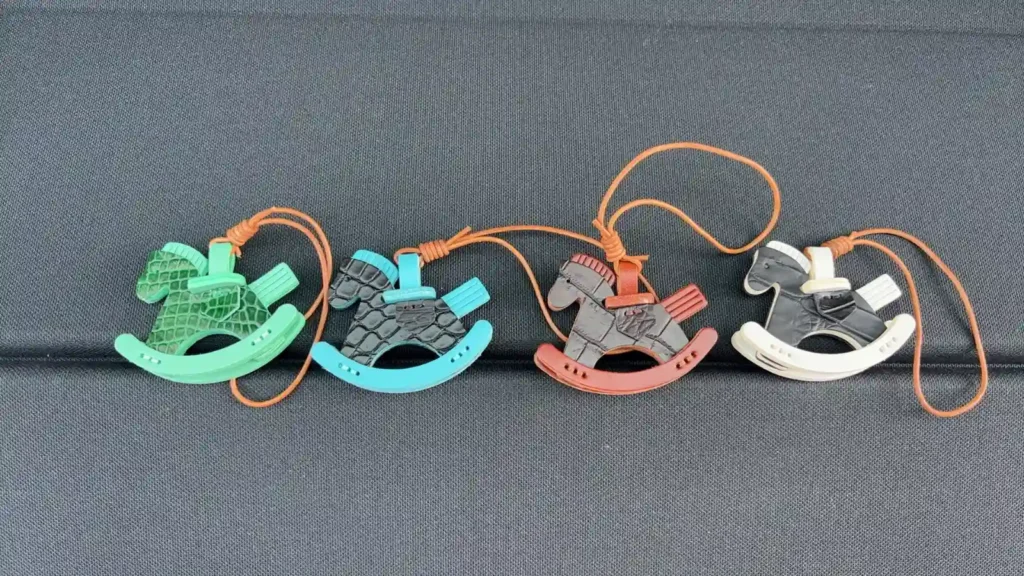
Viewed up close, alternative fur has its own character. From a distance, or worked into a smaller accessory, it carries a genuine fur aesthetic that most buyers find compelling. Crafters who understand this are using alternative fur thoughtfully: as accent pieces, trims, and statement accessories rather than trying to position it as a direct substitute for the classic types.
3. The “Affordable” Category Is Now a Real Part of the Market
What has happened over the past two years isn’t just a trend, it’s the creative establishment of a new segment. The affordable alternative fur category now has enough product, enough crafters working in it, and enough buyer interest to be considered a permanent feature of the fur market rather than a temporary response to high prices.
This is something the industry should welcome. A fur market with multiple price points is a fur market that invites more people in. The classic types retain their position at the top, and nothing about alternative fur threatens that. But a buyer who starts with an otter fur accessory is a buyer who understands real fur, and who may one day move toward mink or sable as their interest deepens.
A More Welcoming Fur Industry
The rise of alternative fur reflects something broader happening in the industry: a recognition that the definition of a fur buyer is expanding. Fur has historically been positioned as an exclusively high-end category, and the classic types will always sit at that level. But the emergence of a credible alternative fur segment means the industry is becoming more accessible, not less prestigious.
We welcome this shift. Fashion at every level is richer when more people can participate in it, and alternative fur is making that possible without asking anyone to compromise on what makes real fur distinctive in the first place.
Alternative Fur Is Here to Stay
Price was the trigger. When classic fur types doubled in cost, alternative fur moved from a niche to a genuine market category, one with real demand and real craftsmanship behind it.
The classic types aren’t threatened. Mink, sable, chinchilla, lynx cat, and fox remain the powerhouses of the fur market. Alternative fur sits alongside them, not against them.
The industry is broader for it. More price points mean more buyers, and a buyer who enters through alternative fur is a buyer who understands and values what real fur offers.