A sable garment is one of the most fully committed luxury investments you can make in fur. That also makes it one of the most frequently misrepresented, so knowing exactly what to check protects every dollar you spend.
4 min read | Sable Garment | Buying Guide | Fur Authentication
Article Summary
A sable garment is widely considered among the most premium and luxurious fur in the world, and its price reflects exactly that. Because the investment is so significant, some sellers will attempt to substitute marten, a far less expensive fur from Canada that looks broadly similar to sable at first glance.
Knowing how to tell the two apart before you commit is not optional. It is the most important thing you can do before purchasing a sable garment. This guide walks through seven checks that protect you every time.
Russian Sable
The Real Thing
- Origin: Russia only
- Rich brown tone with silvery tips
- No resistance when stroked against the grain
- Sells above $20,000 at current prices
Canadian Marten
The Common Substitute
- Origin: Canada
- Yellow undertone survives dyeing
- Slight resistance felt against the grain
- Fraction of the price of genuine sable
Why Buying a Sable Garment Requires Extra Vigilance
A sable garment is a fully committed investment at a level that very few luxury purchases match. Because uninformed buyers exist and the price gap between sable and marten is enormous, substitution happens more often than it should in this market.
Marten is a less expensive fur that originates primarily from Canada. While it can look broadly similar to sable in photographs or quick inspection, the texture, color, and feel simply cannot compare to genuine Russian sable, which often trades at twice the price of marten or more.
1. Ask Where the Fur Comes From
The single most important question to ask any seller is where the fur originates. Genuine sable comes exclusively from Russia. No other country produces it.
If a seller tells you the fur comes from Canada or anywhere else, that is not a sable garment. No exceptions apply to this rule, so treat any hesitation or vague answer as an immediate red flag.
2. Look at the Color Carefully
Sable fur carries a rich, warm brownish tone that is distinctly its own. Marten, by contrast, has a natural yellow undertone that persists even when the fur has been dyed to another color.
That underlying yellow hue in marten is very difficult to fully conceal through dyeing, and a trained eye will spot it. When examining a sable garment, look closely beneath the surface color for any yellow cast that does not belong.
3. Look for Silvery Tips in the Light
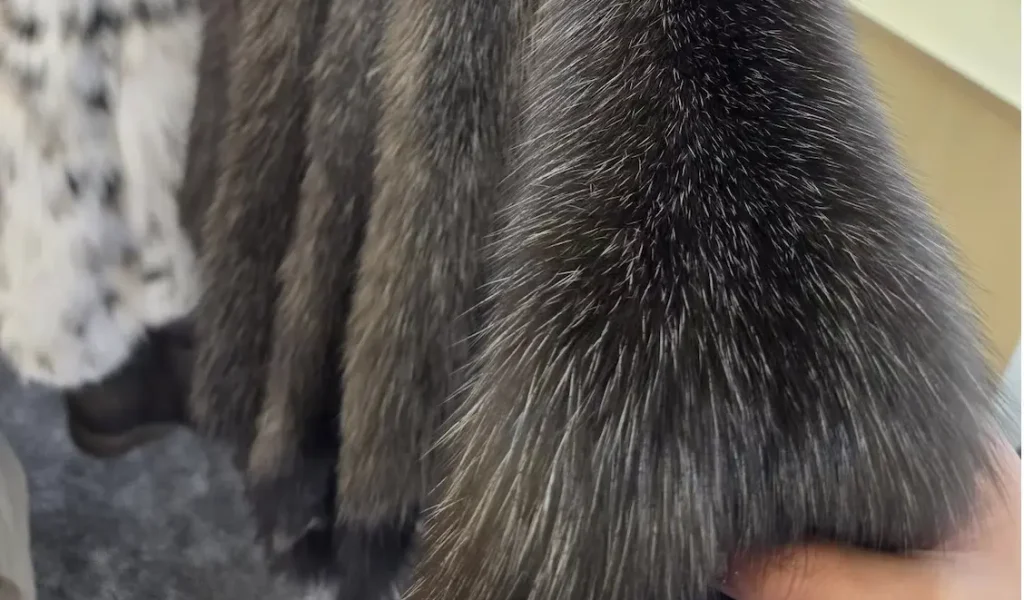
One of the most recognizable features of a genuine sable garment is the silvery tips at the end of each hair, which catch and reflect light beautifully in the sun. This silvery quality is one of the primary reasons sable commands such premium prices in the first place.
Tilt the garment toward natural light and look for that luminous shimmer across the surface. Marten does not produce the same silvery effect, so its absence is a telling sign.
The silvery tips of a genuine sable garment are not a cosmetic detail. They are a natural characteristic of the fur itself, and one of the clearest indicators that the material is authentic.
4. Stroke the Fur Against the Grain
Run your hand against the direction of the fur’s natural growth and pay close attention to how it responds. A genuine sable garment should offer absolutely no resistance. The fur moves freely in every direction with a silky, effortless feel.
If you feel even slight resistance when stroking the fur against the grain, that is a strong indicator that the garment is marten rather than true sable. This tactile test is one of the most reliable checks you can perform on the spot.
5. Look for the SOBOL Label
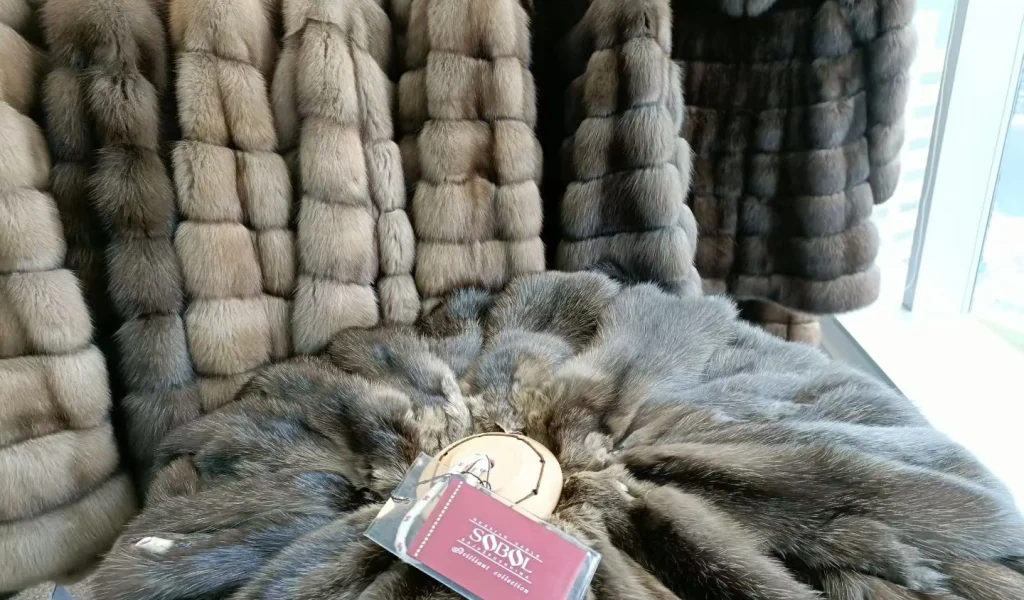
The majority of sable pelts reaching the global market pass through the SOBOL auction in Russia. Because of this, most genuine sable garments will carry a SOBOL label somewhere on or with the piece.
If you do not see a SOBOL label on a sable garment you are considering, ask the seller directly. If they cannot produce one, request a CITES certification instead, and make absolutely certain that the documentation states Russian sable specifically. Anything less than that should raise serious concern.
6. Be Suspicious of Any Price Below $20,000
At current October 2026 prices, a genuine sable garment almost never sells below $20,000. That price floor exists because authentic Russian sable is genuinely scarce and genuinely expensive at every point in the supply chain. To understand why prices sit where they do, see our breakdown of the hidden reasons behind the fur garment price surge.
If you encounter a sable garment priced significantly below that threshold, treat it as a serious warning sign. A deal that seems too good to be true almost certainly is when it comes to this category of fur.
Price is not the only indicator of authenticity, but it is one of the fastest and most reliable ones. Genuine sable garment pricing has a floor that reflects its rarity and the cost of sourcing real Russian sable.
7. Check for Secondhand Signs and Imperfections
Beyond outright substitution, a sable garment being sold as new may in fact be secondhand. Perform a smell test: a slight lingering perfume scent is a reliable indicator that the garment has been worn previously.
Also run your hands across the fur looking for any lumps or matted patches, particularly in areas that experience regular compression during wear. Flat or matted fur texture in a supposedly new sable garment points strongly toward prior use.
What Protects You When Buying a Sable Garment
Origin is non-negotiable. A real sable garment comes only from Russia. Any other answer disqualifies the piece entirely.
Sensory checks work together. Color, silvery tips, and the touch test each tell you something that the others cannot alone.
Documentation closes the gap. A SOBOL label or CITES certificate stating Russian sable is the formal confirmation every buyer should demand before committing.
Looking for a genuine sable garment with full traceability? J&A International’s sable collection carries CITES, SOBOL, and Furmark certification, reflecting our commitment to authentic, ethically sourced Russian sable. Get in touch if you have questions about a piece.