
One of the most persistent criticisms of the exotic leather industry is that only the skin is used and everything else is discarded. In crocodile farming, the reality is the opposite.
Key takeaways
- Ethical crocodile farms use the whole animal: the meat, by-products, and skin all have commercial value, making waste both unethical and uneconomical.
- The harvesting method preserves the meat: the electric bolt used on ethical farms is instantaneous and keeps the crocodile meat fully fit for consumption.
- Crocodile meat is a normal food source in Southeast Asia: it is sold in restaurants and markets across Thailand and neighbouring countries as a valued protein source.
- Economics reinforce ethics: farmers have a direct financial incentive to handle every part of the animal well, aligning commercial interest with responsible practice.
- CITES certification covers more than the hide: it documents the full ethical standard of a farm’s operation, including how the animal is treated from farm to harvest.
The Harvesting Process Is Designed to Preserve Everything
The method used to harvest crocodile on ethical farms is an instantaneous electric bolt, designed to be both humane and practical.
Crucially, this method preserves the meat in a fully consumable condition. Unlike methods that would compromise the animal’s tissue, the electric bolt ensures that the crocodile meat remains fresh, clean, and safe for the food supply immediately after the skin is removed.
As a result, the farm does not lose the meat. It retains full commercial value alongside the hide, and that matters enormously to the economics of the operation.
Where the Meat Actually Goes
Crocodile meat has a genuine, established market, particularly across Southeast Asia.
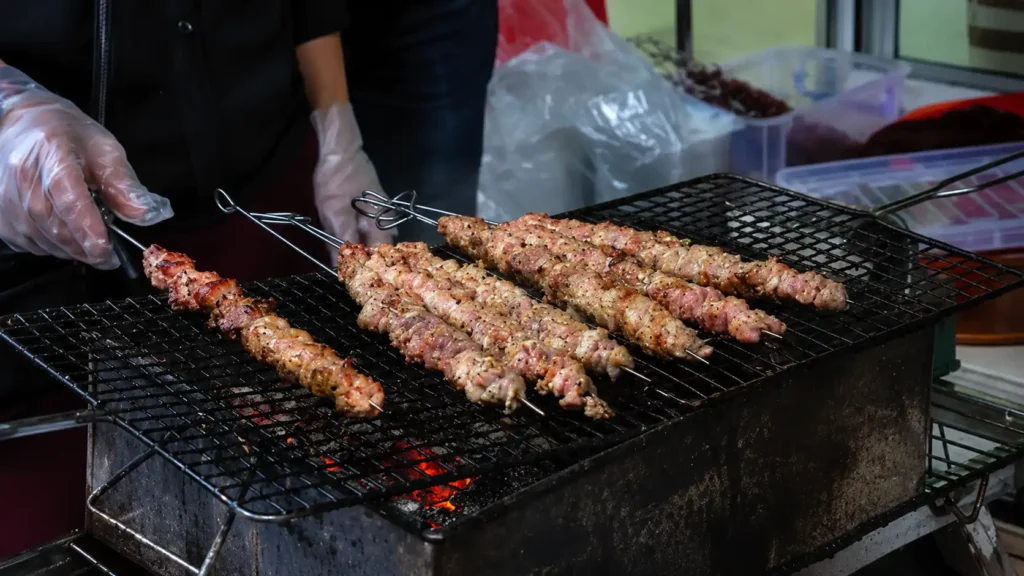
In countries like Thailand, crocodile meat appears regularly in restaurants and local markets, valued for its lean protein content and distinctive flavour. It is not an exotic curiosity, it is a normal part of the food culture in regions where crocodile farming has long been established.
Beyond the human food market, crocodile meat and by-products are widely processed into high-protein animal feed, particularly for pet food, where exotic protein sources command a premium. Furthermore, other parts of the animal, including bones and fat, are used in cosmetics and traditional medicine across parts of Asia.
🍽️
Human Food
Sold in restaurants and markets across Thailand and Southeast Asia
🐾
Animal Feed
Processed into high-protein pet food and livestock feed
✨
By-Products
Bones, fat, and oil used in cosmetics and traditional medicine
Why Farmers Are Economically Motivated to Waste Nothing
Beyond ethics, there is a straightforward economic argument for why responsible crocodile farming leaves nothing to waste.
Every part of the animal represents revenue. The skin must be harvested without damage to command the highest price from luxury buyers. The crocodile meat must be handled cleanly to be sold into the food market. And the by-products have their own downstream value.
In other words, a farmer who damages the skin or wastes the meat is simply leaving money on the table. The financial incentive and the ethical outcome are, in this case, perfectly aligned.
CITES certification adds a further layer of accountability. Certified farms are audited for their practices — meaning whole-animal use and ethical handling are not just good intentions, but documented requirements that open the door to recognition from the world’s leading luxury brands.
What CITES means for buyers: When you purchase a crocodile leather product with CITES documentation, you are not just verifying the origin of the hide. You are buying from a farm that operates under the full range of ethical standards, including responsible handling of every part of the animal, not just the skin.
Summary
The assumption that crocodile farms discard the meat after harvesting the skin is a common misconception and fundamentally misunderstands how these farms operate economically.
In practice, ethical crocodile farming is a whole-animal operation. The skin, the meat, and the by-products all have commercial value, and farmers have every incentive to treat each part of the animal with the same care and respect. This article explains exactly what happens and why the economics of crocodile farming actually discourage waste.
Every crocodile leather piece at J&A comes from CITES-certified farms held to the full ethical standard. Reach out to our Hong Kong team to learn more about our sourcing.